Book Consultation
⚖️ Featured Legal Treatise

Open Source Intelligence (OSINT) in Legal Proceedings: Admissibility and Evidence in Indian Courts

Analysis of the legal admissibility of OSINT evidence under Indian law. Discover how digital footprints, social media forensics, air-space intelligence, and metadata satisfy Section 63 BSA criteria.

⚖️ Featured Legal Treatise

Cyber Forensics & Digital Evidence Collection under BSA, 2023: Section 63 Certificate Guide

Step-by-step legal and forensic guide to electronic evidence collection and certification under Section 63 of Bharatiya Sakshya Adhiniyam, 2023 (replacing Section 65B IEA). Mandatory checklist, format, and court defense.

⚖️ Featured Legal Treatise

DPDPA 2023 Compliance Checklist for Indian Startups: Data Protection & Privacy Requirements

An actionable 12-point DPDP Act 2023 compliance checklist tailored for Indian startups, SaaS companies, and mobile app developers. Protect your business from penalties up to ?250 Crore.

⚖️ Featured Legal Treatise

Supreme Court Cuts Judicial Service Practice Rule From 3 Years to 1 Year

Selected candidates will still spend two more years in training and clerkship before they're confirmed in the post. Here's how the new system works and why one judge on the bench wasn't fully convince...

⚖️ Featured Legal Treatise

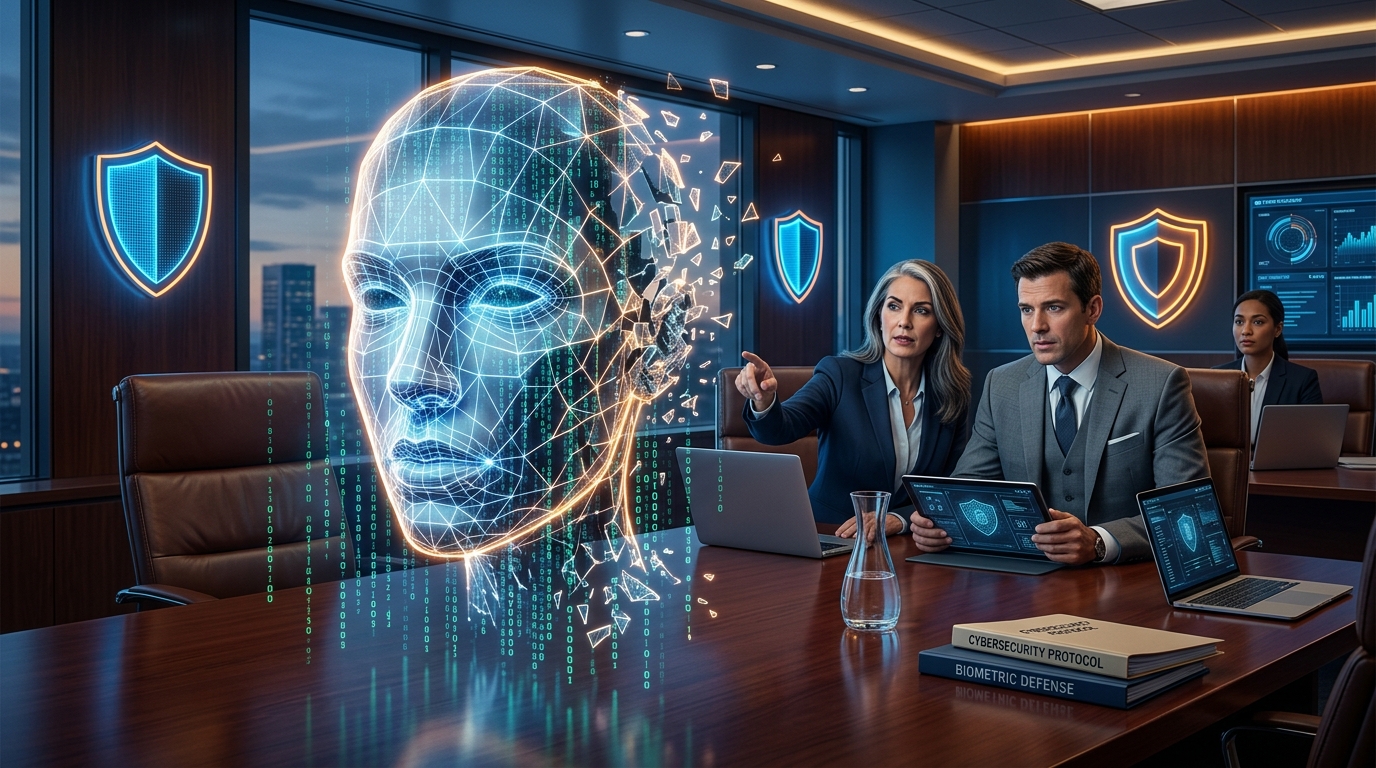
How Indian Businesses Should Respond to Deepfake Threats Today: Why Your Business Needs to Care About Deepfakes Right Now!

A video surfaces online showing your CEO endorsing a competitor’s product. A voice recording allegedly captures your company’s confidential negotiations. An ima...

⚖️ Featured Legal Treatise

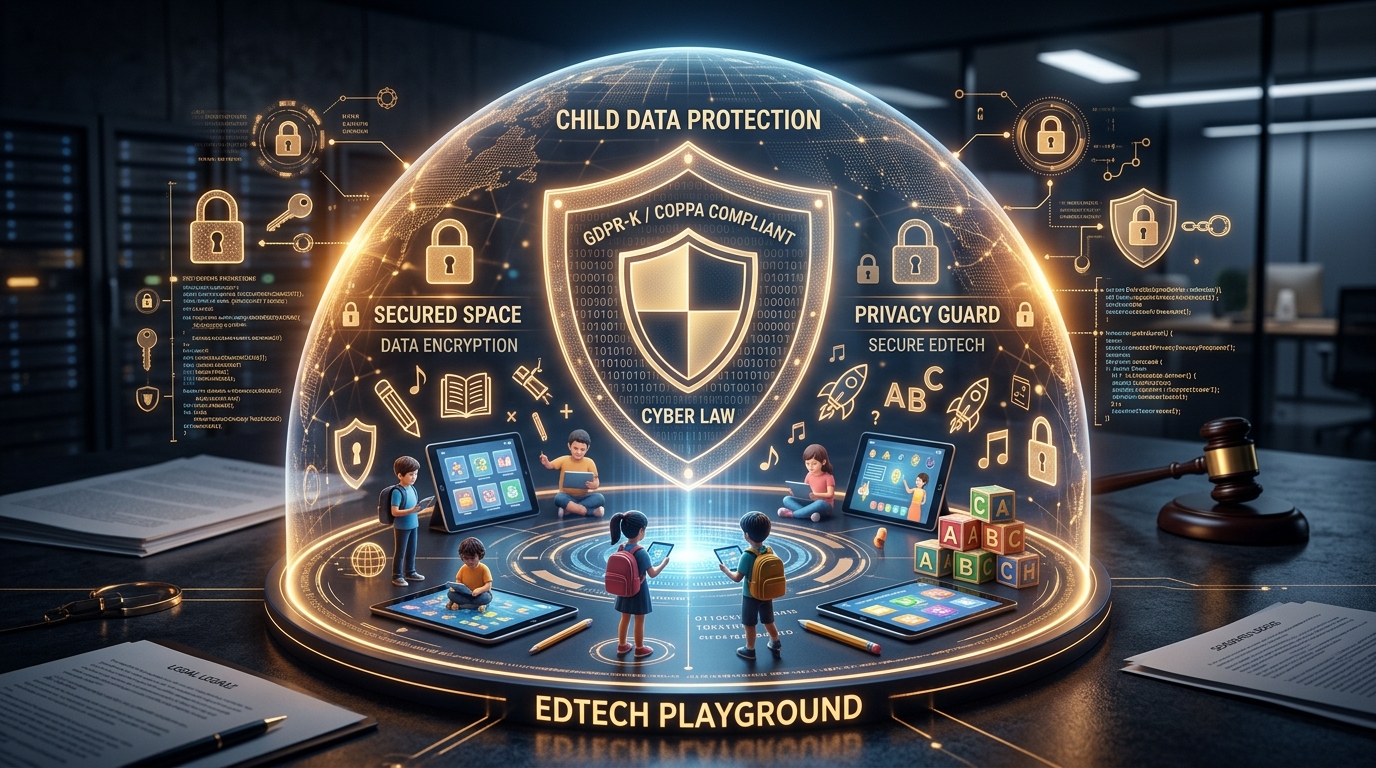
Protecting Children’s Data Under the DPDP Act: What EdTech, Gaming, Schools and Hospitals Need to Know Right Now

The notification of India’s Digital Personal Data Protection (DPDP) Act, 2023 marked a significant shift in how personal data is regulated domestically. But for...

⚖️ Featured Legal Treatise

Before India Builds More Data Centers, It Should Look at What Happened in the U.S.: Data Centers, AI, and Water

A. Introduction India is in the midst of an extraordinary infrastructure build-out. Government white papers describe a national ambition to turn the country int...

⚖️ Featured Legal Treatise

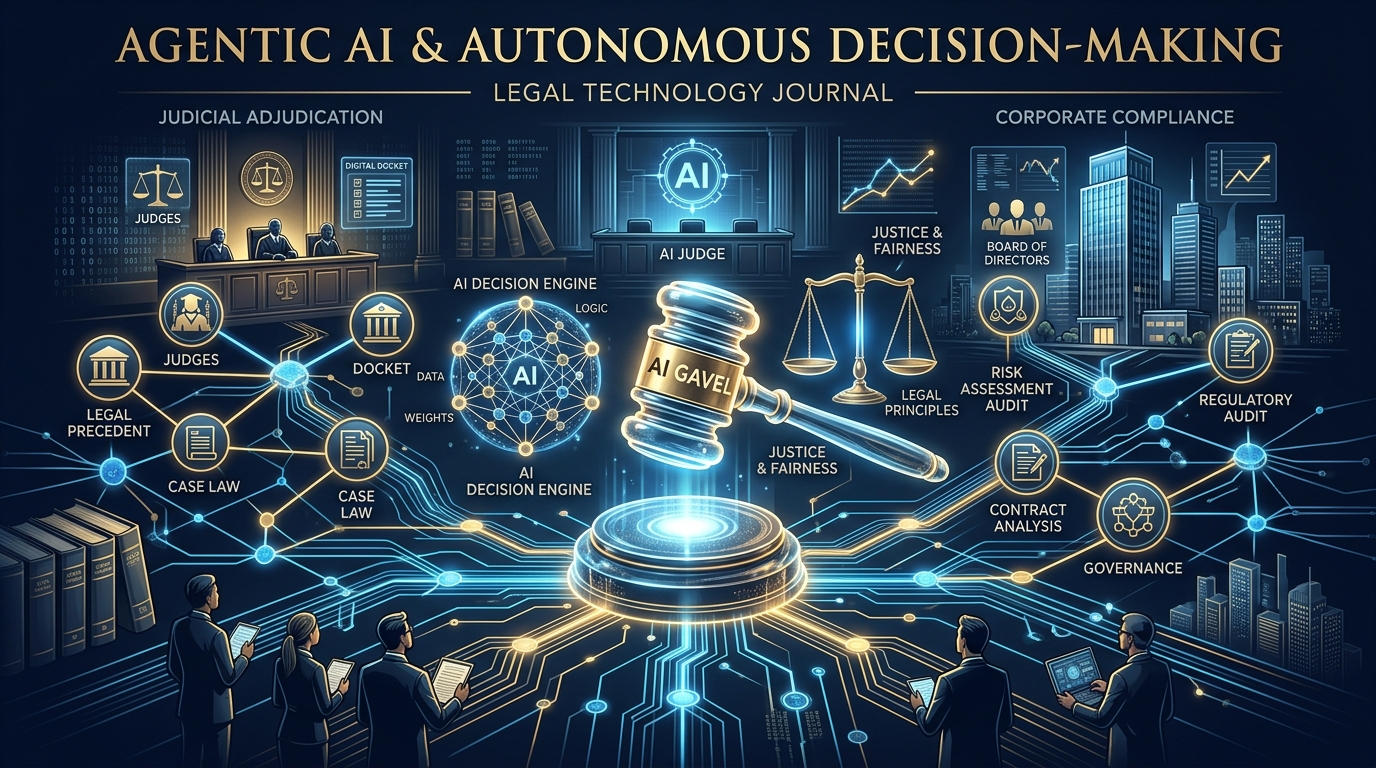
Agentic AI, Autonomous Decisions, and the US Liability Gap: What the Chambers 2026 Guide Reveals!

The question of accountability in AI-driven decisions is no longer theoretical. As autonomous systems move from research labs into supply chains, financial serv...

⚖️ Featured Legal Treatise

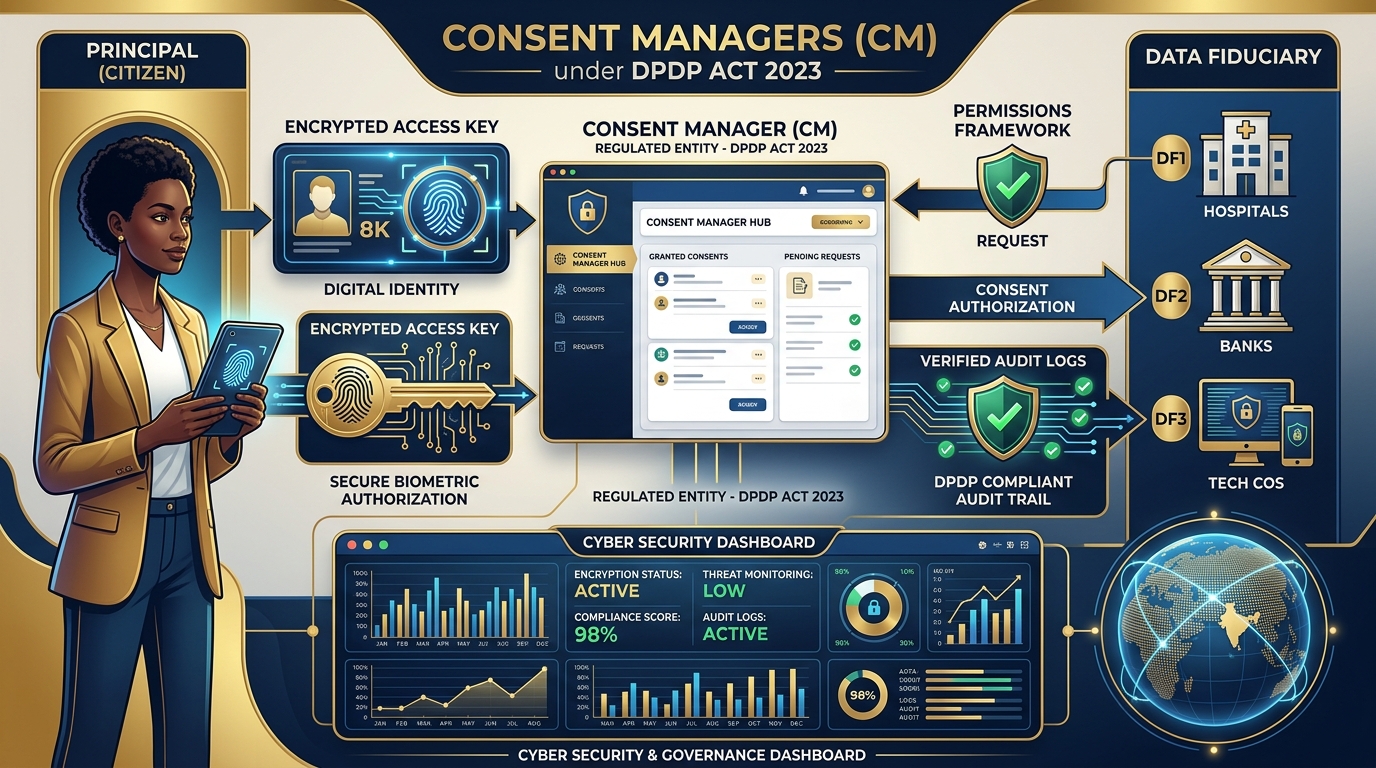
Consent Managers Under The Digital Personal Data Protection Act, 2023 And The Digital Personal Data Protection Rules: A Compliance Roadmap For Data Fiduciaries

Privacy Law Research | Technology Law Practice | June 2025 Abstract The Digital Personal Data Protection Act, 2023 (DPDP Act) introduces ‘Consent Managers’ as a...

⚖️ Featured Legal Treatise

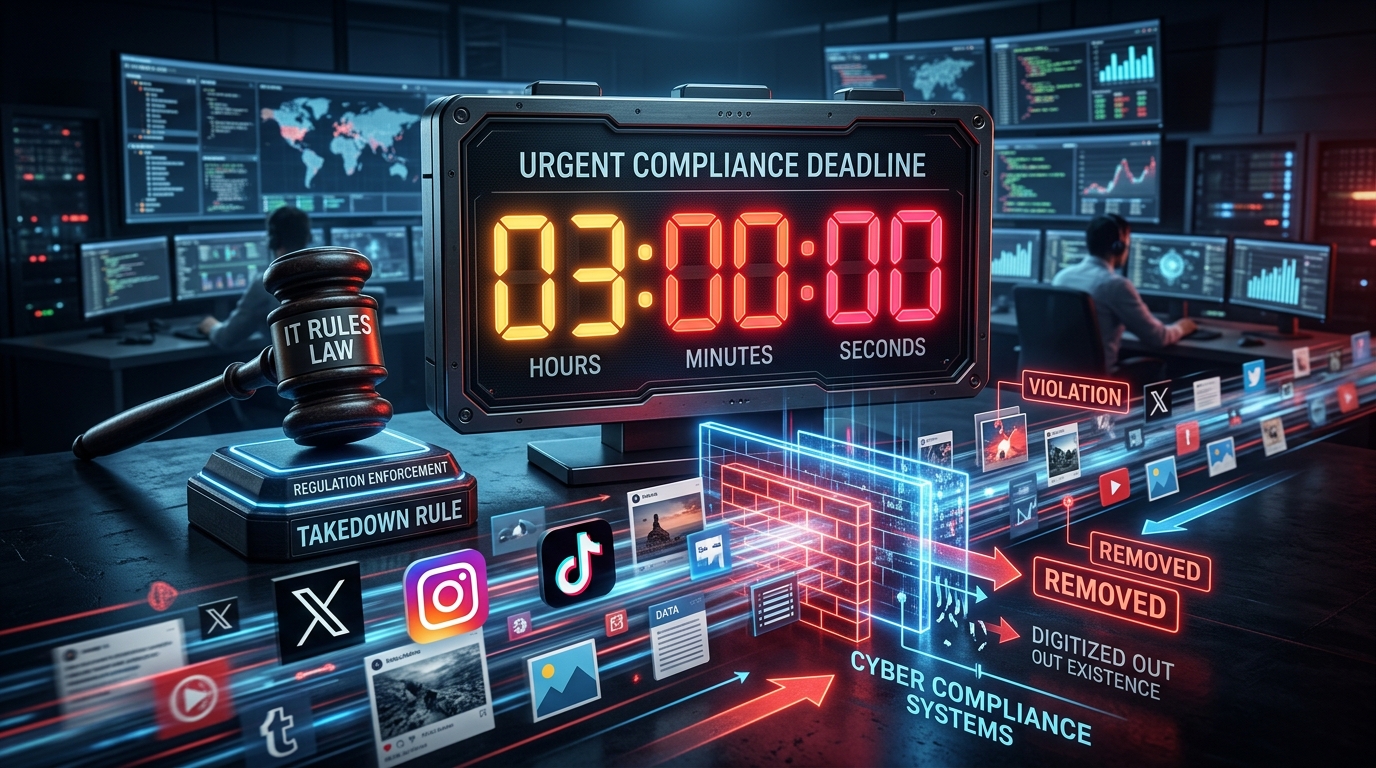
India’s 3 Hour Rule For Deepfake Notions Removal On Account Of Takedown Rule

THE ARTICLE OVERTHROWS LIGHT OVER THE INTERPLAY OF DEEPFAKE REGULATION IN ACCOUNT OF CURRENT FACETS AND IMPARTS AN CALL TO ACTION FOR THE VIEWERS TO WORK IN ALI...
Treatise Catalog

Topic Focus: AI Governance

A structured index of tech-law analyses, DPDP compliance reviews, and legal governance guidelines.

Deepfake

How Indian Businesses Should Respond to Deepfake Threats Today: Why Your Business Needs to Care About Deepfakes Right Now!

A video surfaces online showing your CEO endorsing a competitor’s product. A voice recording allegedly captures your company’s confidential negotiations. An ima...

Agentic AI

Agentic AI, Autonomous Decisions, and the US Liability Gap: What the Chambers 2026 Guide Reveals!

The question of accountability in AI-driven decisions is no longer theoretical. As autonomous systems move from research labs into supply chains, financial serv...

bank freeze

FREEZING OF BANK ACCOUNTS – A LEGAL PERSPECTIVE  

The rampant increase in the economic offences in this digital era has been detrimental for our Indian Economy. To combat those offences, stricter policies have been adopted which includes empowering the investigating authorities with wide powers to investigate such offences and to take required actions which involves freezing of the bank accounts which are suspected to be associated with any such illegal activity. While the freezing of account was primarily done to procure and track relative evidence and for preserving the disposal of proceeds of crime, it causes serious hardships to the innocent individuals whose accounts are flagged of suspicious activity without them being the party to any actual wrongful transaction. This has become the reality of thousands of businesses and individuals and understanding your rights in this situation has become more important than ever

Cyber Law

JOHN DOE ORDERS & CURBING COPYRIGHT PIRACY

"John Doe Orders are founded on the premise that the mystery of a defendant's identity should not be an obstacle to the pursuit of justice." - Delhi High Court (Dabur India Ltd. v. Ashok Kumar & Ors.).

Cyber Law

OpenAI's Own Safety Experts Unanimously Said No. The Company Proceeded Anyway

Not seven out of eight. Not a slim majority. Every member of OpenAI's own wellbeing advisory board voted unanimously against launching an adult mode for ChatGPT. They warned the company it could turn into a platform that drives emotional dependency and harm. One board member used a phrase that should have stopped the entire project in its tracks: "sexy suicide coach." OpenAI heard all of it and decided to proceed anyway.

Digital

Yes, Fingerprint Recognition Technology Works And here the Research Proves It

My friend and I spent hours arguing about this. Here's the science that settled it. We've all seen it in crime dramas a detective lifts a smudged fingerprint from a crime scene, feeds it into a computer, and within seconds a name pops up. My friend insisted it was pure Hollywood fiction. "That tech doesn't exist in real life," he said. "And even if it does, it only works in controlled lab conditions." He was wrong. On both counts. I didn't win that argument with opinion. I won it with two research papers one from NIST (the US government's National Institute of Standards and Technology) and one published at an IEEE Cybersecurity Conference. After reading both, here's what I learned and here's why this technology matters more than most people realize.

Artificial Intelligence in Indian courts

Artificial Intelligence in the Indian Judiciary: Legal Accountability, Judicial Integrity, and the Emerging Regulatory Framework

The rapid integration of artificial intelligence into legal practice and judicial administration in India has generated both transformative opportunities and unprecedented challenges to the integrity of the judicial process. This article examines the current state of AI deployment across Indian courts, analyses the Supreme Court of India's recent adjudicatory and regulatory responses to AI-generated misinformation in court proceedings, and evaluates the broader implications for legal practitioners, judicial officers, and law students. The article argues that the Indian judiciary stands at a critical inflection point, where the absence of a comprehensive regulatory framework governing AI use in legal proceedings poses a systemic risk to the administration of justice.

Cyber Law

Vibe Coding and Legal Challenges in India: A Comprehensive Guide (2026)

Vibe coding is a term coined by OpenAI co-founder Andrej Karpathy in early 2025 to describe a new paradigm of software development where developers use natural language prompts to instruct AI tools — such as GitHub Copilot, Claude, ChatGPT, Cursor, and Replit — to generate entire codebases with minimal manual coding. Instead of writing line-by-line code, developers "vibe" with the AI, describing what they want in plain English, and the AI does the heavy lifting.

Cyber Law

The Information Technology (Intermediary Guidelines and Digital Media Ethics Code) Amendment Rules, 2026: A Comprehensive Analysis

The digital age has ushered in transformative technologies that blur the lines between reality and artificiality. Artificial intelligence now possesses the capability to generate images, videos, and audio recordings that are virtually indistinguishable from authentic content. While these technologies offer immense creative and productive potential, they also present profound challenges to truth, trust, and social order. The Information Technology (Intermediary Guidelines and Digital Media Ethics Code) Amendment Rules, 2026, notified on February 10, 2026, represent India's legislative response to this emerging paradigm. These amendments introduce the most comprehensive regulatory framework for synthetically generated information in Indian law, fundamentally reshaping the obligations of digital intermediaries and establishing new norms for content authenticity in the digital sphere. This chapter provides a detailed examination of these amendments, analyzing their provisions, exploring their implications, and contextualizing them within the broader landscape of digital regulation.

Focus coordinates

Browse by *Practice Area*

Select a core coordinate tag below to narrow down the legal treatises index.

Looking for expert legal advisory in tech law?

Speak directly with our specialized team to structure corporate AI models, data systems, and policy guidelines.

Get more from LLM Advocates
Add to Preferred Sources