Book Consultation
⚖️ Featured Legal Treatise

Open Source Intelligence (OSINT) in Legal Proceedings: Admissibility and Evidence in Indian Courts

Analysis of the legal admissibility of OSINT evidence under Indian law. Discover how digital footprints, social media forensics, air-space intelligence, and metadata satisfy Section 63 BSA criteria.

⚖️ Featured Legal Treatise

Cyber Forensics & Digital Evidence Collection under BSA, 2023: Section 63 Certificate Guide

Step-by-step legal and forensic guide to electronic evidence collection and certification under Section 63 of Bharatiya Sakshya Adhiniyam, 2023 (replacing Section 65B IEA). Mandatory checklist, format, and court defense.

⚖️ Featured Legal Treatise

DPDPA 2023 Compliance Checklist for Indian Startups: Data Protection & Privacy Requirements

An actionable 12-point DPDP Act 2023 compliance checklist tailored for Indian startups, SaaS companies, and mobile app developers. Protect your business from penalties up to ?250 Crore.

⚖️ Featured Legal Treatise

Supreme Court Cuts Judicial Service Practice Rule From 3 Years to 1 Year

Selected candidates will still spend two more years in training and clerkship before they're confirmed in the post. Here's how the new system works and why one judge on the bench wasn't fully convince...

⚖️ Featured Legal Treatise

How Indian Businesses Should Respond to Deepfake Threats Today: Why Your Business Needs to Care About Deepfakes Right Now!

A video surfaces online showing your CEO endorsing a competitor’s product. A voice recording allegedly captures your company’s confidential negotiations. An ima...

⚖️ Featured Legal Treatise

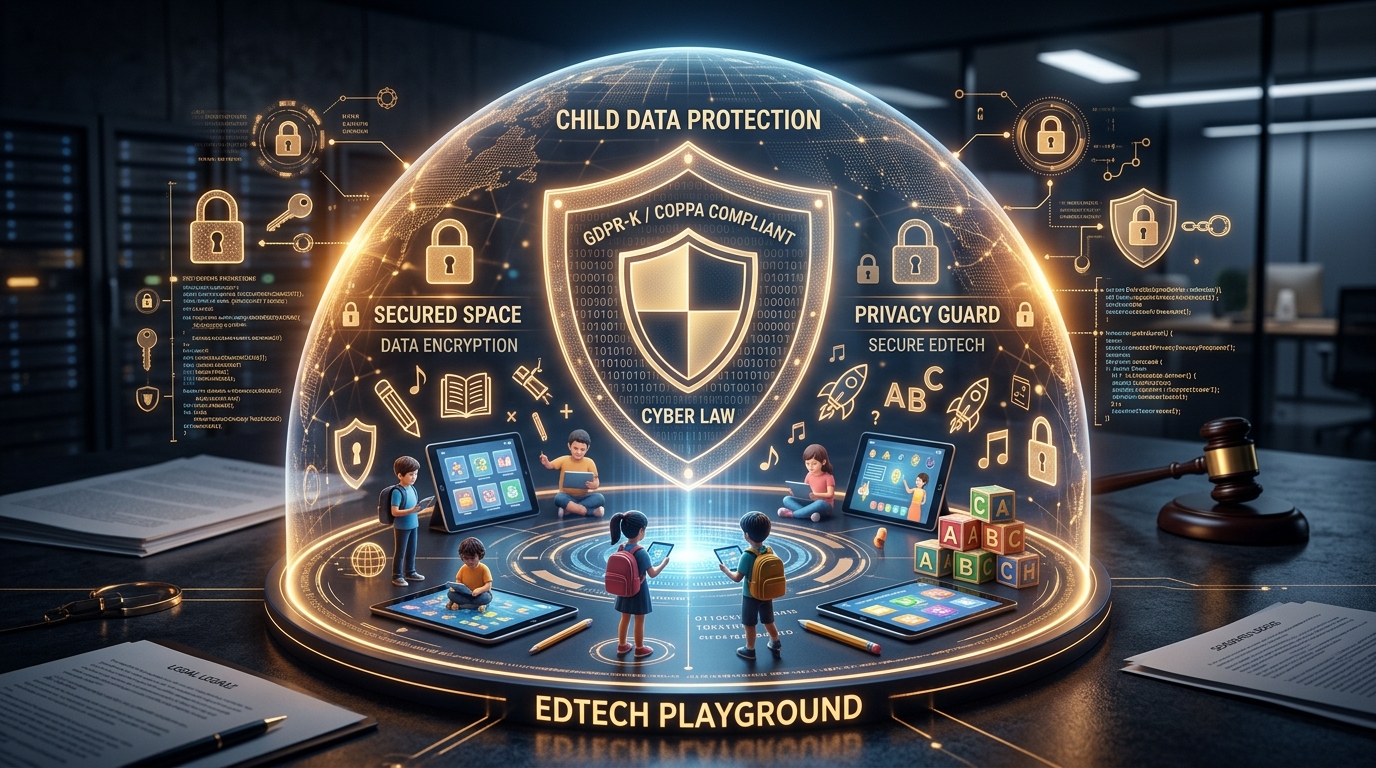
Protecting Children’s Data Under the DPDP Act: What EdTech, Gaming, Schools and Hospitals Need to Know Right Now

The notification of India’s Digital Personal Data Protection (DPDP) Act, 2023 marked a significant shift in how personal data is regulated domestically. But for...

⚖️ Featured Legal Treatise

Before India Builds More Data Centers, It Should Look at What Happened in the U.S.: Data Centers, AI, and Water

A. Introduction India is in the midst of an extraordinary infrastructure build-out. Government white papers describe a national ambition to turn the country int...

⚖️ Featured Legal Treatise

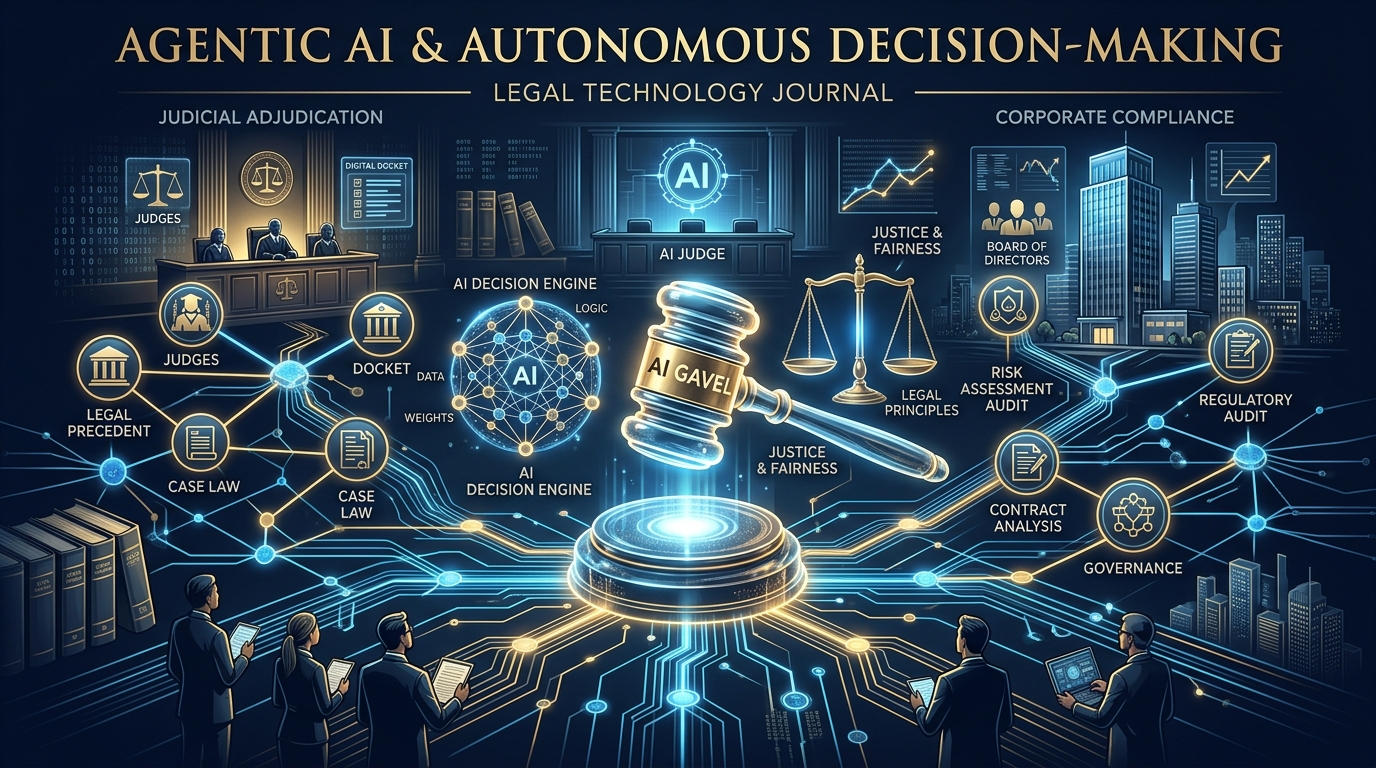
Agentic AI, Autonomous Decisions, and the US Liability Gap: What the Chambers 2026 Guide Reveals!

The question of accountability in AI-driven decisions is no longer theoretical. As autonomous systems move from research labs into supply chains, financial serv...

⚖️ Featured Legal Treatise

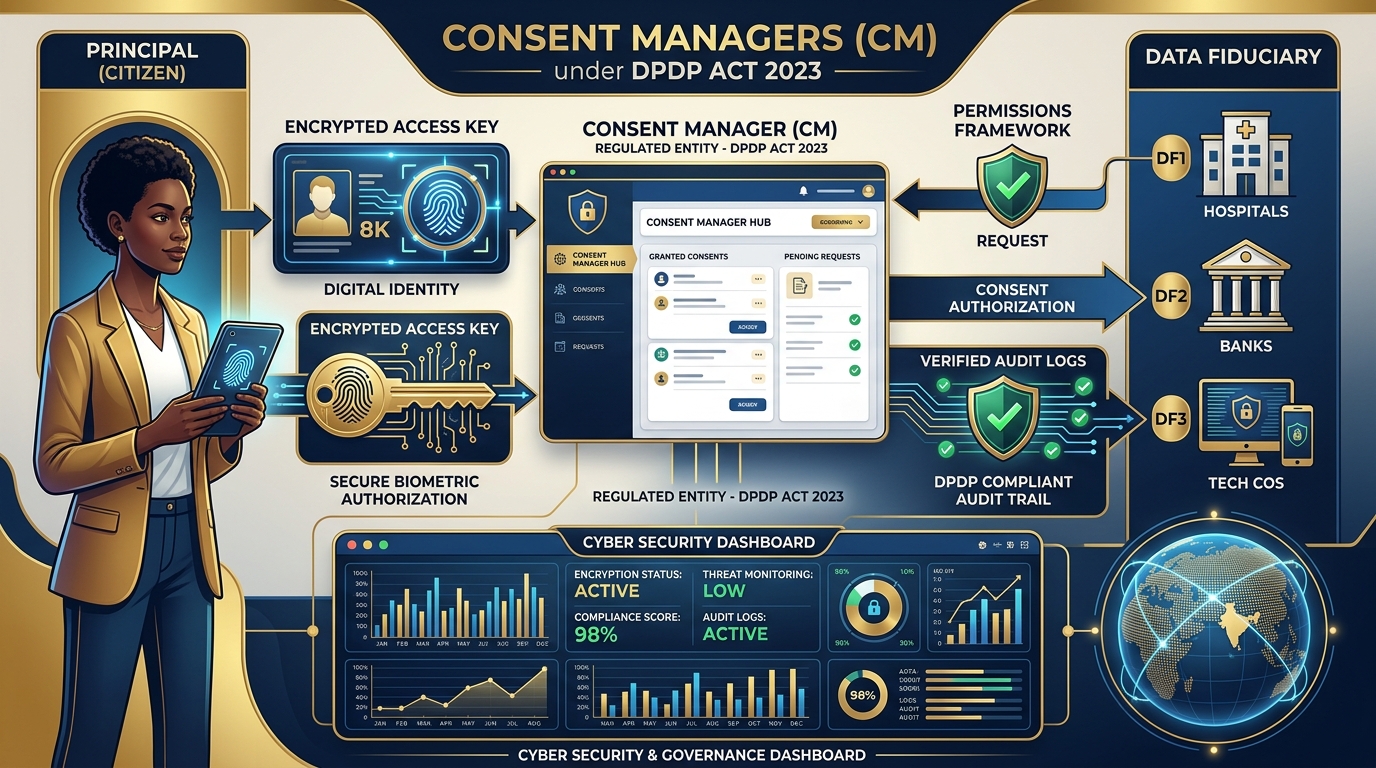
Consent Managers Under The Digital Personal Data Protection Act, 2023 And The Digital Personal Data Protection Rules: A Compliance Roadmap For Data Fiduciaries

Privacy Law Research | Technology Law Practice | June 2025 Abstract The Digital Personal Data Protection Act, 2023 (DPDP Act) introduces ‘Consent Managers’ as a...

⚖️ Featured Legal Treatise

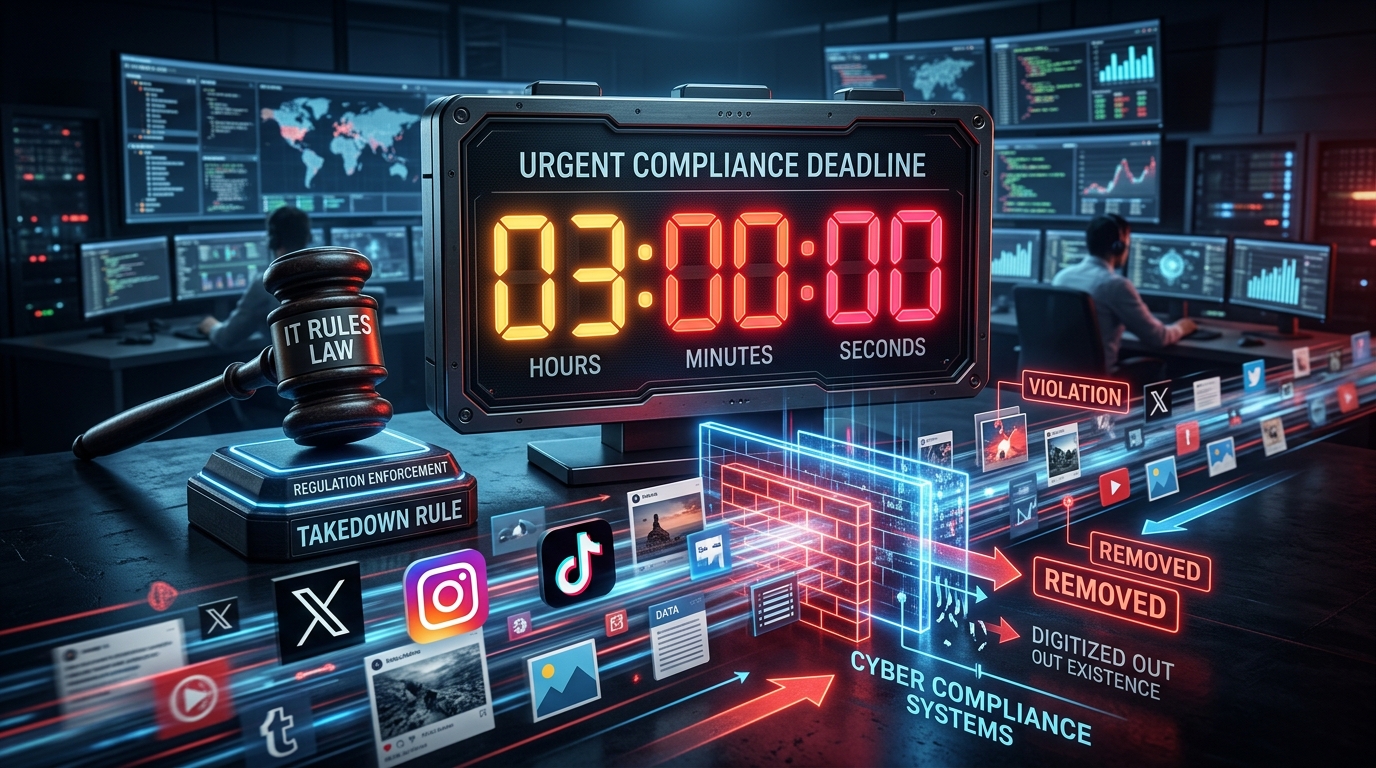
India’s 3 Hour Rule For Deepfake Notions Removal On Account Of Takedown Rule

THE ARTICLE OVERTHROWS LIGHT OVER THE INTERPLAY OF DEEPFAKE REGULATION IN ACCOUNT OF CURRENT FACETS AND IMPARTS AN CALL TO ACTION FOR THE VIEWERS TO WORK IN ALI...

Treatise Catalog

Topic Focus: Cyber Law

A structured index of tech-law analyses, DPDP compliance reviews, and legal governance guidelines.

quantum

Quantum Computing Just Got 100x Closer to Breaking the Internet: Here's What It Means for Your Privacy

A new 2026 paper shows Shor's algorithm now needs only 10,000 qubits not millions. Here's what quantum computing means for your passwords, privacy and the law protecting you online.

Cyber Law

OpenAI's Own Safety Experts Unanimously Said No. The Company Proceeded Anyway

Not seven out of eight. Not a slim majority. Every member of OpenAI's own wellbeing advisory board voted unanimously against launching an adult mode for ChatGPT. They warned the company it could turn into a platform that drives emotional dependency and harm. One board member used a phrase that should have stopped the entire project in its tracks: "sexy suicide coach." OpenAI heard all of it and decided to proceed anyway.

malware

The Scariest Attack in Modern Software Just Happened and a Bug Saved Us All

On March 24, 2026, a poisoned version of LiteLLM landed on PyPI. LiteLLM is the Python library used by over 40,000 open-source projects and pulled down 97 million times every single month. The moment you ran pip install litellm, your machine began quietly sending everything to an attacker's server. SSH keys. AWS credentials. Kubernetes secrets. Crypto wallets. Database passwords. Shell history. Every API key in your .env file. All of it. Encrypted and gone. The attack would have run silently for weeks across thousands of companies if the attacker had written cleaner code. They did not. And that sloppiness is the only reason this story ends the way it does. Andrej Karpathy called it exactly what it is: the scariest thing happening in modern software right now.

Digital

Yes, Fingerprint Recognition Technology Works And here the Research Proves It

My friend and I spent hours arguing about this. Here's the science that settled it. We've all seen it in crime dramas a detective lifts a smudged fingerprint from a crime scene, feeds it into a computer, and within seconds a name pops up. My friend insisted it was pure Hollywood fiction. "That tech doesn't exist in real life," he said. "And even if it does, it only works in controlled lab conditions." He was wrong. On both counts. I didn't win that argument with opinion. I won it with two research papers one from NIST (the US government's National Institute of Standards and Technology) and one published at an IEEE Cybersecurity Conference. After reading both, here's what I learned and here's why this technology matters more than most people realize.

Instagram encrypted chats ending May 2026

Your Instagram DMs Were Private. After May 8, They May Not Be

Instagram ends end-to-end encrypted chats on May 8, 2026. If you're a cybercrime victim, this change could affect your evidence, safety, and privacy and here's exactly what to do now.

Cyber Law

Digital Forensic Investigation: How Deleted Evidence Gets Recovered and Used in Indian Courts

Digital forensic investigation recovers deleted files, traces hacked accounts, and builds court-admissible evidence under India's new BNS, BNSS, and BSA 2023. Here is how it all works.

Android developer verification government ID

Google Is Forcing Every Android Developer to Hand Over Their Government ID. Even If They Never Used Google.

Starting September 2026, every Android app developer must register with Google and submit government ID, even those who never use the Play Store. Brave, EFF, and 40 others say no. Here is why India should be paying attention.

Cyber Law

Meta Promised "Designed for Privacy" on Its AI Glasses. Contractors in Kenya Were Watching.

A class action lawsuit filed March 4, 2026 accuses Meta of false advertising on its Ray-Ban AI glasses. Over 7 million pairs sold. Intimate footage routed to Kenya. Here is what it means legally for Indian consumers and AI device makers.

Cyber Law

How Google Is Making HTTPS Quantum-Proof Without Slowing Down the Internet.

Post-quantum cryptography would bloat HTTPS certificates 40x their current size. Google's Merkle Tree Certificates solve that. Here is what it means for web security and digital law in India.

Focus coordinates

Browse by *Practice Area*

Select a core coordinate tag below to narrow down the legal treatises index.

Looking for expert legal advisory in tech law?

Speak directly with our specialized team to structure corporate AI models, data systems, and policy guidelines.

Get more from LLM Advocates
Add to Preferred Sources