Book Consultation
⚖️ Featured Legal Treatise

Open Source Intelligence (OSINT) in Legal Proceedings: Admissibility and Evidence in Indian Courts

Analysis of the legal admissibility of OSINT evidence under Indian law. Discover how digital footprints, social media forensics, air-space intelligence, and metadata satisfy Section 63 BSA criteria.

⚖️ Featured Legal Treatise

Cyber Forensics & Digital Evidence Collection under BSA, 2023: Section 63 Certificate Guide

Step-by-step legal and forensic guide to electronic evidence collection and certification under Section 63 of Bharatiya Sakshya Adhiniyam, 2023 (replacing Section 65B IEA). Mandatory checklist, format, and court defense.

⚖️ Featured Legal Treatise

DPDPA 2023 Compliance Checklist for Indian Startups: Data Protection & Privacy Requirements

An actionable 12-point DPDP Act 2023 compliance checklist tailored for Indian startups, SaaS companies, and mobile app developers. Protect your business from penalties up to ?250 Crore.

⚖️ Featured Legal Treatise

Supreme Court Cuts Judicial Service Practice Rule From 3 Years to 1 Year

Selected candidates will still spend two more years in training and clerkship before they're confirmed in the post. Here's how the new system works and why one judge on the bench wasn't fully convince...

⚖️ Featured Legal Treatise

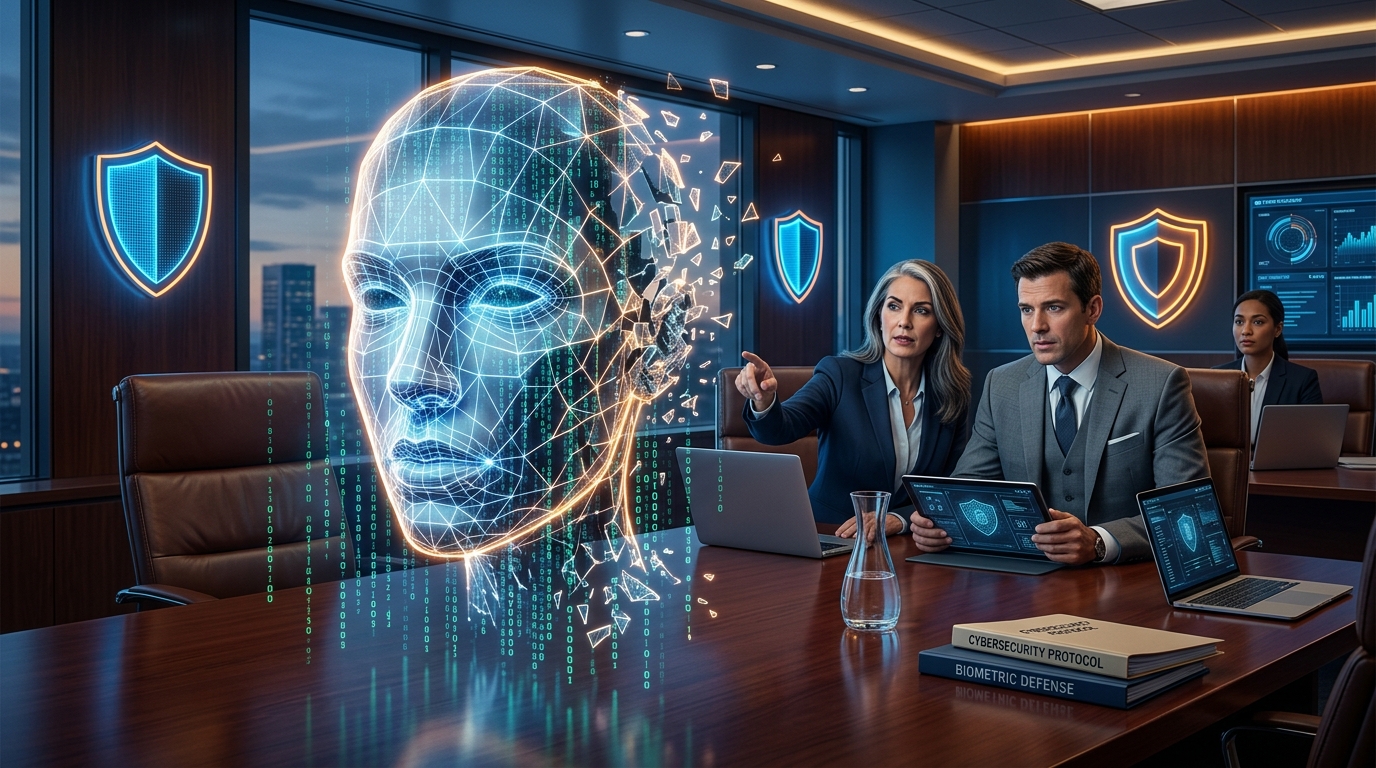
How Indian Businesses Should Respond to Deepfake Threats Today: Why Your Business Needs to Care About Deepfakes Right Now!

A video surfaces online showing your CEO endorsing a competitor’s product. A voice recording allegedly captures your company’s confidential negotiations. An ima...

⚖️ Featured Legal Treatise

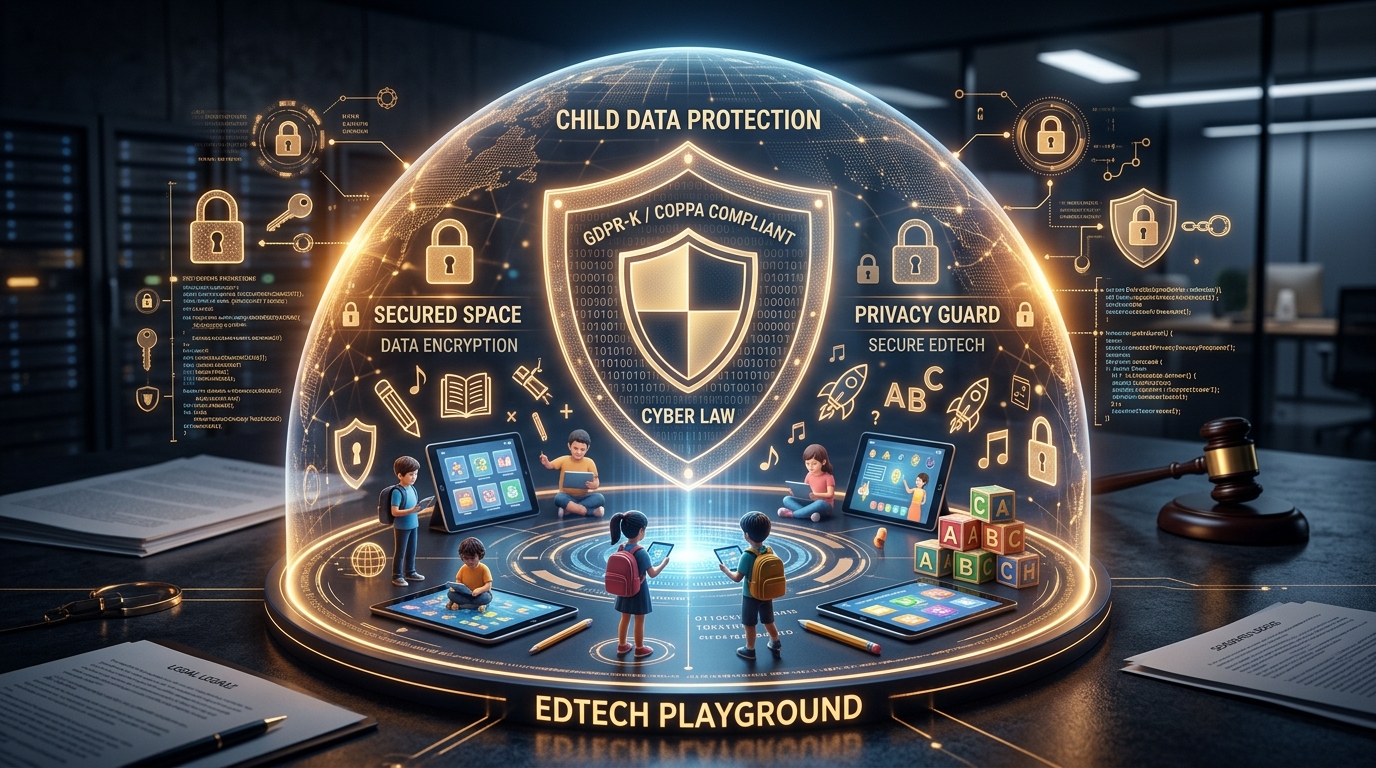
Protecting Children’s Data Under the DPDP Act: What EdTech, Gaming, Schools and Hospitals Need to Know Right Now

The notification of India’s Digital Personal Data Protection (DPDP) Act, 2023 marked a significant shift in how personal data is regulated domestically. But for...

⚖️ Featured Legal Treatise

Before India Builds More Data Centers, It Should Look at What Happened in the U.S.: Data Centers, AI, and Water

A. Introduction India is in the midst of an extraordinary infrastructure build-out. Government white papers describe a national ambition to turn the country int...

⚖️ Featured Legal Treatise

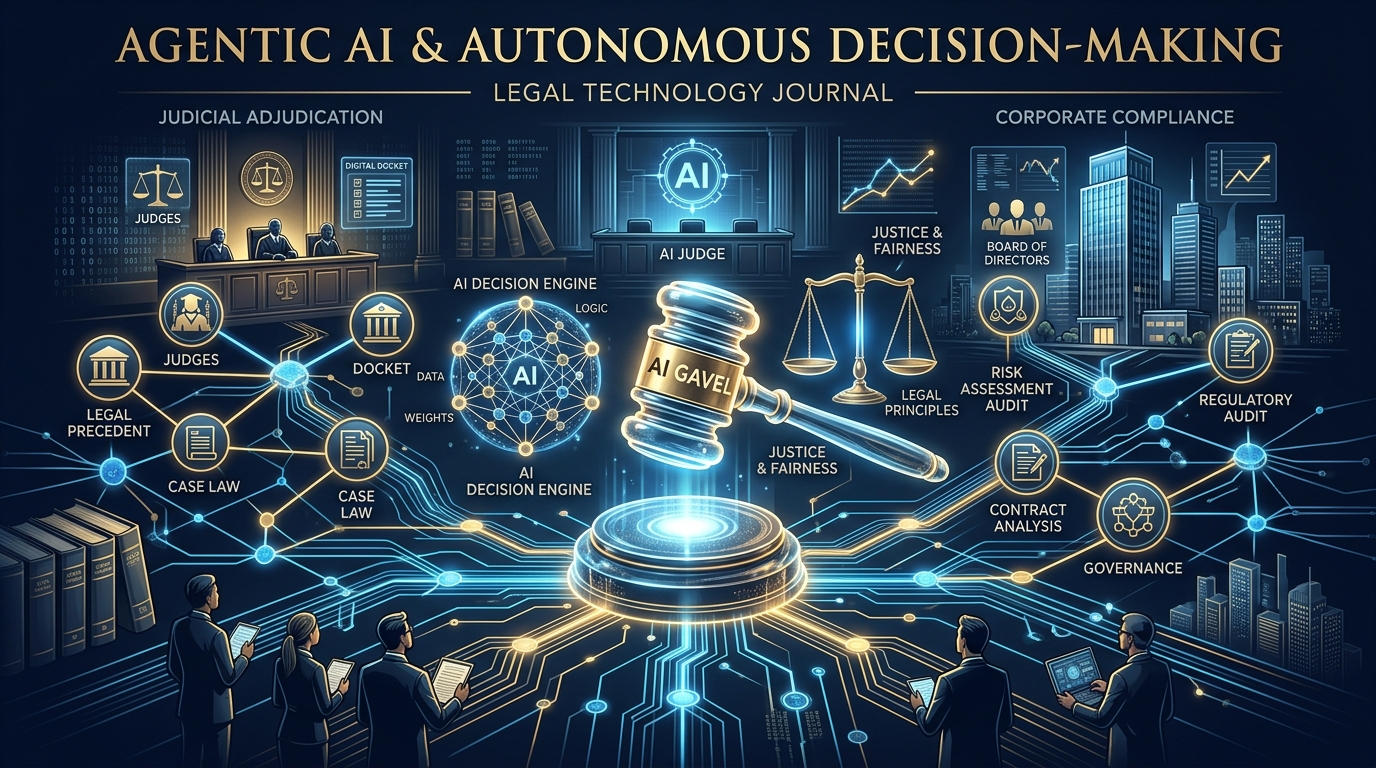
Agentic AI, Autonomous Decisions, and the US Liability Gap: What the Chambers 2026 Guide Reveals!

The question of accountability in AI-driven decisions is no longer theoretical. As autonomous systems move from research labs into supply chains, financial serv...

⚖️ Featured Legal Treatise

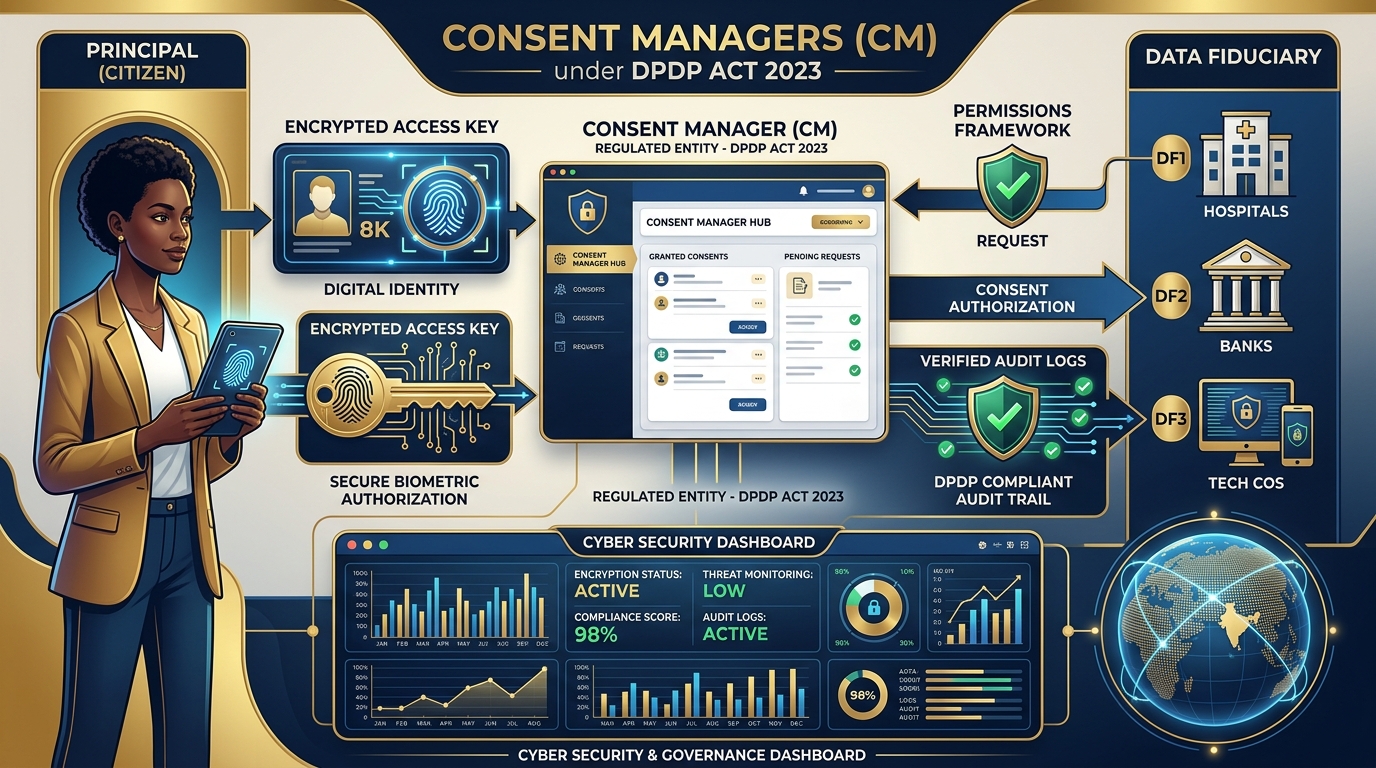
Consent Managers Under The Digital Personal Data Protection Act, 2023 And The Digital Personal Data Protection Rules: A Compliance Roadmap For Data Fiduciaries

Privacy Law Research | Technology Law Practice | June 2025 Abstract The Digital Personal Data Protection Act, 2023 (DPDP Act) introduces ‘Consent Managers’ as a...

⚖️ Featured Legal Treatise

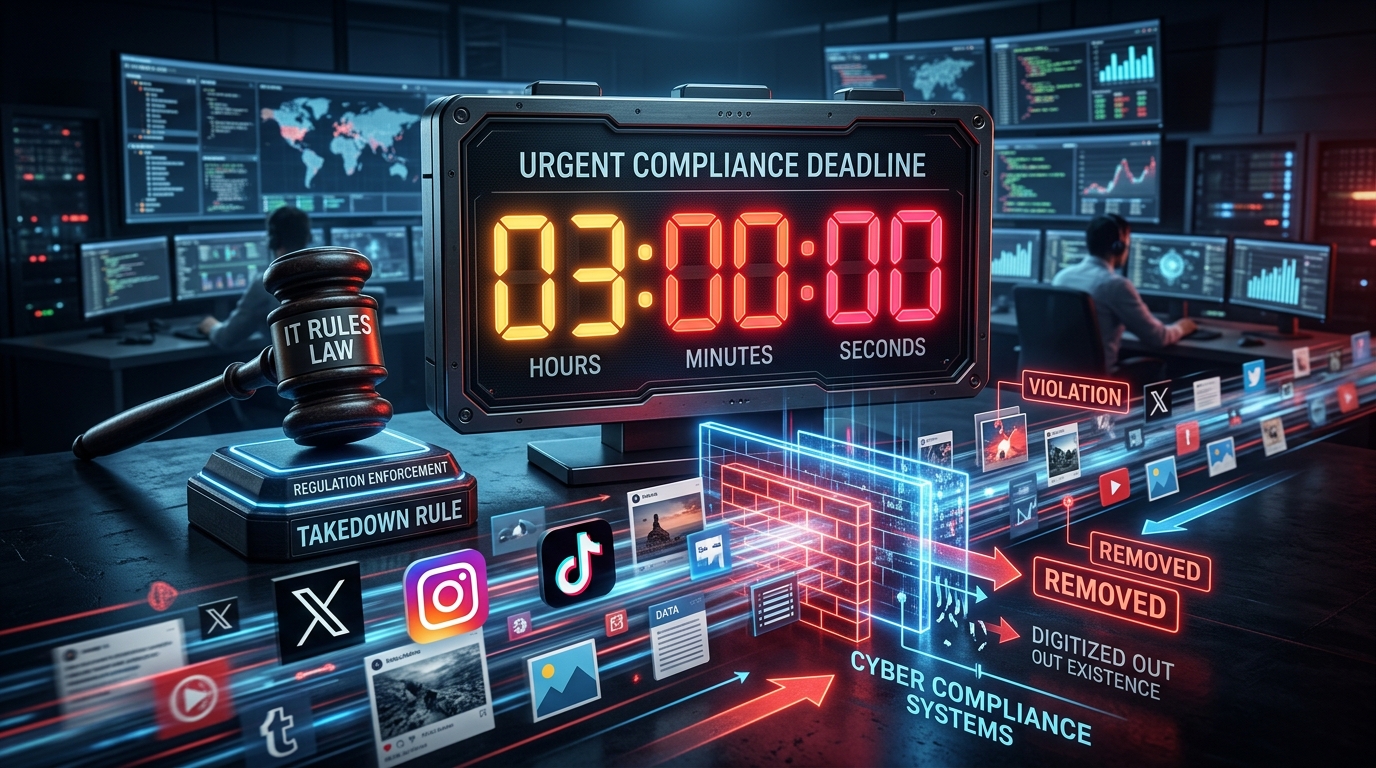
India’s 3 Hour Rule For Deepfake Notions Removal On Account Of Takedown Rule

THE ARTICLE OVERTHROWS LIGHT OVER THE INTERPLAY OF DEEPFAKE REGULATION IN ACCOUNT OF CURRENT FACETS AND IMPARTS AN CALL TO ACTION FOR THE VIEWERS TO WORK IN ALI...
Treatise Catalog

Topic Focus: Cyber Law

A structured index of tech-law analyses, DPDP compliance reviews, and legal governance guidelines.

Cibil

Unknown Loan on Your CIBIL? Here’s Exactly What to Do?

1 loan. ?4.2 lakh. Never borrowed. It was sitting on our client’s CIBIL for 8 months before he found out.

Cyber Law

Vibe Coding and Legal Challenges in India: A Comprehensive Guide (2026)

Vibe coding is a term coined by OpenAI co-founder Andrej Karpathy in early 2025 to describe a new paradigm of software development where developers use natural language prompts to instruct AI tools — such as GitHub Copilot, Claude, ChatGPT, Cursor, and Replit — to generate entire codebases with minimal manual coding. Instead of writing line-by-line code, developers "vibe" with the AI, describing what they want in plain English, and the AI does the heavy lifting.

Cyber Law

The Information Technology (Intermediary Guidelines and Digital Media Ethics Code) Amendment Rules, 2026: A Comprehensive Analysis

The digital age has ushered in transformative technologies that blur the lines between reality and artificiality. Artificial intelligence now possesses the capability to generate images, videos, and audio recordings that are virtually indistinguishable from authentic content. While these technologies offer immense creative and productive potential, they also present profound challenges to truth, trust, and social order. The Information Technology (Intermediary Guidelines and Digital Media Ethics Code) Amendment Rules, 2026, notified on February 10, 2026, represent India's legislative response to this emerging paradigm. These amendments introduce the most comprehensive regulatory framework for synthetically generated information in Indian law, fundamentally reshaping the obligations of digital intermediaries and establishing new norms for content authenticity in the digital sphere. This chapter provides a detailed examination of these amendments, analyzing their provisions, exploring their implications, and contextualizing them within the broader landscape of digital regulation.

CERT-IN

You Have 6 Hours to Notify CERT-In After a Data Breach. Here's What the Law Requires

Data breach in India? CERT-In requires notification within 6 hours under Rule 12(1)(a). Learn exactly what LLM Advocates does in the first 6 hours to protect your business legally.

Facial recognition

The Hidden Truth About CCTV Cameras That the Government Won't Tell You

There are more than 1 billion surveillance cameras operating worldwide right now. That number is not a typo. One billion cameras. Watching streets, parking lots, ATM corridors, apartment lobbies, shop fronts, and public squares. And while you walk past them every single day assuming they are there to protect you, a growing body of evidence tells a deeply uncomfortable story. Those cameras are being turned against you. By criminals. And in many cases, with the silent assistance of a government that refuses to tell you where the cameras are, who owns them, or who is watching. This is not a conspiracy theory. This is a surveillance crisis hiding in plain sight.

Cyber Law

Getting Random OTPs You Never Asked For? Do Not Ignore It.

India recorded 13.91 lakh cybercrime complaints in 2022 alone. Most victims saw the warning signs. They just did not know what they were looking at.

Focus coordinates

Browse by *Practice Area*

Select a core coordinate tag below to narrow down the legal treatises index.

Looking for expert legal advisory in tech law?

Speak directly with our specialized team to structure corporate AI models, data systems, and policy guidelines.

Get more from LLM Advocates
Add to Preferred Sources